
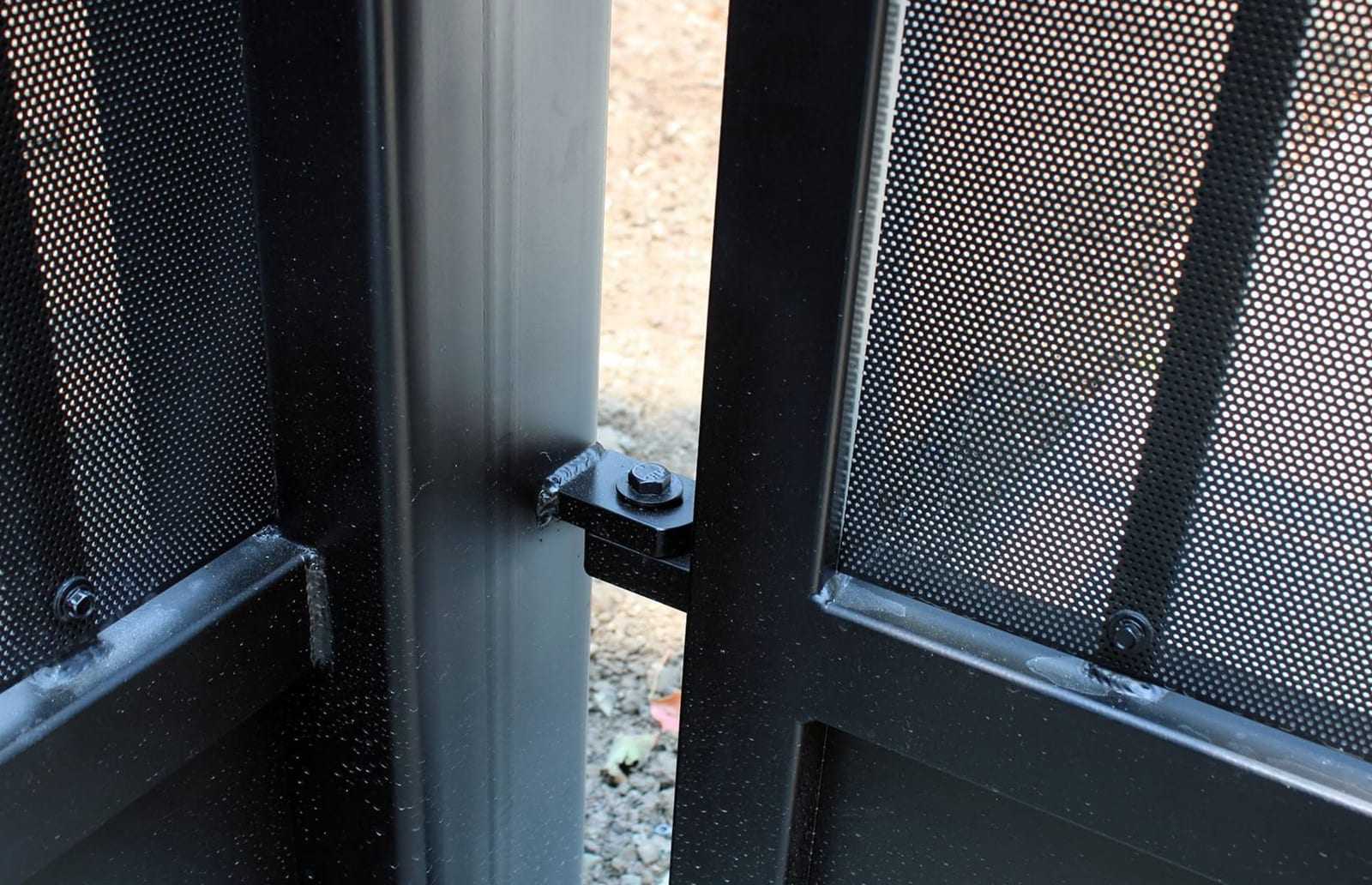
Gate Repair
Swing, sliding and barrier gates that drag, stall, reverse or will not latch, and the openers, keypads and remotes that run them.
Most repair calls in Denver start the same way: a gate that used to swing shut on its own now scrapes the drive, or an opener that worked for years starts stopping halfway. The cause is rarely mysterious. Hinges wear, posts move, rollers seize and sensors get knocked out of line, and each one has a usual fix.
We work on residential driveway and backyard gates, and on the access gates at apartment complexes, HOA entrances, warehouses and fenced commercial lots, whether they open by hand or with an operator.
Common Repair Jobs
Symptoms first, because that is what you notice. The table pairs each one with what is usually behind it and the work that sorts it out.
| Symptom | Usual cause | Gate type affected | Repair job |
|---|---|---|---|
| Gate drags on the driveway or the ground | The leaf has dropped on worn hinges, or the hinge post has shifted | Swing gates | Reset or replace the hinges, bring the post back to plumb, re-hang the leaf level |
| Gate stops partway or reverses | Dirty or knocked photo eyes, a damaged edge sensor, a force setting that is too touchy, a loose wire | Automatic swing and slide gates | Clean and realign the sensors, trace the wiring, reset force and limits |
| Gate will not latch | The leaf has sagged or the latch has drifted out of line with its keeper | Swing and pedestrian gates | Correct the hinge gaps, then adjust or replace the latch |
| Grinding, screeching or jerky travel | Worn track wheels or rollers, a seized guide roller, a dry or stretched chain | Sliding and cantilever gates | Replace wheels and rollers, clean the track, adjust or replace the chain |
| Opener hums but the gate does not move | A failed capacitor, stripped gears, or the manual release left engaged | Automatic gates | Test the motor and read its amperage, replace the worn part or the operator |
| Keypad or remote stopped working | Dead batteries, a failed keypad, lost codes or a receiver fault | Gates with access control | Replace the keypad or remote, reprogram the codes, check the receiver |
| Opener dead after a power outage | A tripped breaker, a spent backup battery or a control board fault | Automatic gates | Restore power, test or replace the battery, check the board |
Weather, Ground and Gates
Denver’s swings between warm afternoons and hard freezes are tough on gates. Frost heave lifts and leans posts that were not set below the frost line, which is why sagging leaves and missed latches show up most after winter. Snow and ice packed into a slide gate’s track stall the rollers, and strong sun bakes keypads and photo-eye lenses until they fade or fail.
None of that means the gate is finished. A post can be reset, a track cleaned and a keypad replaced without touching the rest of the gate.
Reversing, Sagging and Other Repair Questions
Why does my gate reverse or stop partway?
Most often the safety system thinks something is in the way. Photo eyes that are dirty, knocked out of line or blinded by low winter sun will stop or reverse a gate, and so will a damaged edge sensor or a force setting that is too sensitive. A gate binding on a bad hinge or roller trips the same protection, so the sensors, the wiring, the limits and the gate’s own movement all get checked.
My gate sags and drags. Can it be fixed?
Usually, yes. A sagging swing gate is most often worn hinges or a post that has moved in the ground, and freeze-thaw cycles move a post that was set too shallow. The post is checked for plumb and the leaf for level, then the hinges are reset or replaced, or the post is reset if it has shifted.
Why won’t my gate latch anymore?
A latch misses when the leaf has dropped, the post has leaned or the latch itself has worn or slipped. Moving the latch alone rarely lasts when the hinges are the real cause, so the gaps at the hinges and at the latch are measured before anything is changed.
When does repair stop making sense?
When the same gate keeps breaking, the frame has rust or rot through it, a post is failing, or parts for an older operator are hard to find, a replacement is often the better spend. The repair-or-replace helper walks through those questions one at a time.
Details to Have Ready When You Request a Repair
A few facts on the first call save a second trip:
- The gate type: swing, sliding, cantilever, barrier arm or pedestrian
- What the gate does or does not do: stops halfway, reverses, drags, will not latch
- Any noises: grinding, clicking, humming, screeching
- Whether the opener has power: lights on the control box or the keypad
- When the problem started, and anything just before it, such as a storm, an outage or a bump from a car
Photos help as much as the description. Email a picture of the gate, the hinges and the opener to manager@speergatesdoors.com and the right parts come along on the first visit.
Book the Repair
Call (720) 780-9549 to talk it through, or send the details and we will reply. A gate that is stuck open, stuck shut or blocking an exit belongs on the urgent service line, not the form.


