
Gate Maintenance and Inspections
Routine checks for swing, sliding and barrier gates, and for the operators, sensors and keypads that work with them.
A gate wears a little with every cycle. Rollers flatten, hinge bolts work loose, chains stretch and photo eyes drift out of line, and none of it shows until the day the gate stalls halfway or will not latch.
An inspection finds that wear while the fix is still an adjustment or a small part. It covers the gate itself, the operator that moves it, and the sensors, keypads and remotes that control it.
Inspection Points on a Gate and Opener
Each part gives its own warning before it fails, and most of those warnings can be seen or heard from the driveway.
| Component | What is looked at | Sign it needs attention |
|---|---|---|
| Rollers | Track wheels and guide rollers: wear, flat spots, bearings that turn freely | Grinding or squealing, or a gate that wobbles or jerks as it travels |
| Tracks | Straight, firmly anchored and clear of grit, stones and ice | A gate that catches or bumps at the same spot every time |
| Hinges | Worn pins and bushings, loose bolts, cracked welds, and whether the leaf still hangs level | A leaf that sags, scrapes the drive or misses its latch |
| Chains and belts | Tension, stretch and rust, and the sprockets or pulleys they run on | Slapping or clanking, a chain hanging low, a gate that lurches as it starts |
| Limit settings | Where the operator stops the gate at fully open and fully closed | A gate that stops short, runs past its stop or bangs at the end of travel |
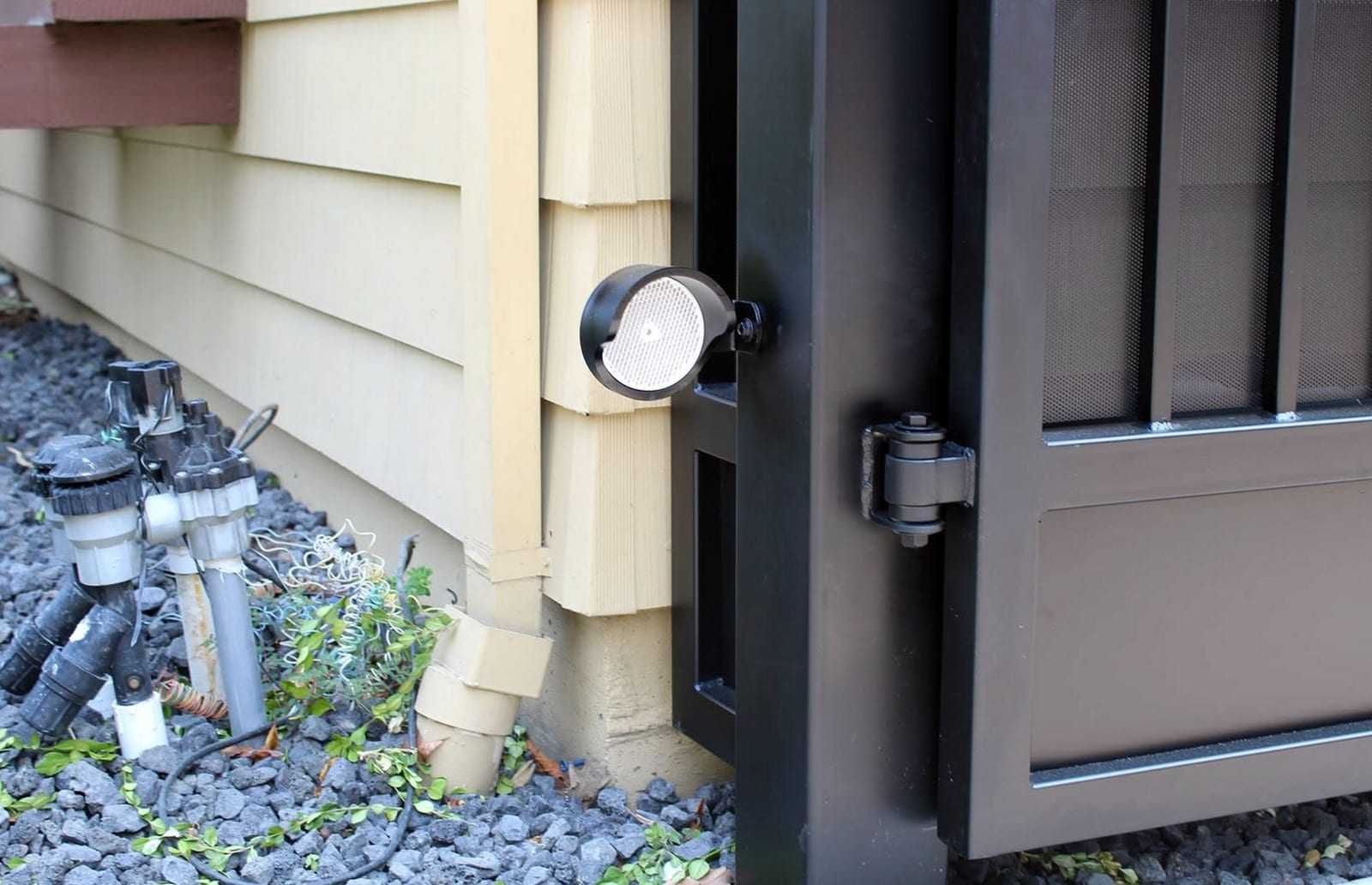
| Safety sensors | Photo eyes, reflectors and edge sensors: clean lenses, alignment and wiring | A gate that stops or reverses with nothing in the way |
| Reverse function | Obstruction sensing: the gate has to stop and reverse when something blocks its path | A gate that keeps pushing against an object instead of backing off |
| Battery backup | Charge and age, and whether the operator runs on it with the power off | A gate that slows down or will not move during an outage |
| Keypad and remotes | Every code and remote, the keypad’s buttons and housing, and the receiver | Codes that take several tries, faded buttons, remotes that work only up close |
Maintenance for Homes, Apartments and Businesses
How often should a gate be inspected?
A common rule of thumb in the trade is once a year for a home gate that opens a few times a day. Apartment, HOA and commercial gates that cycle all day wear faster and are usually checked more often. In Denver, a visit in the fall makes sense, before cold weather thickens grease and weakens backup batteries.
What does maintenance involve for a home gate?
On a home gate, the visit centers on the hinges, the latch and the posts, plus the operator, sensors and remotes on an automatic gate. Wear builds slowly on a gate that opens a few times a day, so an adjustment, a cleaned sensor or a new roller is often all it needs.
How is maintenance different for an apartment or business gate?
An access gate at an apartment complex, HOA entrance, warehouse or fenced commercial lot has to work every day and may open many times an hour. That puts more wear on the parts that move with each cycle: rollers, chains, the operator’s motor and the safety sensors. These gates also carry more codes and remotes, and often an intercom or keypad system that every resident or tenant relies on.
Testing Before We Hand the Gate Back
Much of the careful work happens before we pack up. Posts are checked for plumb and the gate for level, then the gaps at the hinges and the latch are measured. A leaf that has dropped even a little shows up there long before it scrapes the drive.
The safety system comes next. Obstruction sensing is tested by putting an object in the gate’s path, and the photo eyes and edge sensors have to stop and reverse the gate. The manual release is tried with the power off, so the gate can still be moved by hand in an outage.
The operator gets its own checks. Motor amperage is read, because a motor drawing more current than it should is often fighting a binding hinge or roller. The limits are set and the battery backup is tested.
Luca Bailey, who owns the company, expects every gate to run through full open-and-close cycles, with each keypad code and remote tested, before it is handed back.
Simple Checks Between Visits

The people who use a gate every day are the first to notice when it changes. Watching and listening through one full cycle every few weeks is enough to catch a new noise or a hesitation early.
On a slide gate, the track matters most. Gravel and grit make the rollers climb and the operator strain, and after a Denver snowstorm, packed snow and ice can stop the gate altogether. Sweep the track clear before running the gate.
- Listen for new noises: grinding, squealing, clicking, or a motor that hums without moving the gate
- Watch for slow or jerky movement, or a gate that pauses partway and then carries on
- Test that the gate reverses: while it closes, set an empty trash can in its path and make sure it stops and backs off; never test with a hand, a foot, a child or a pet
- Keep tracks clear of gravel, leaves and debris, and keep plants, bins and parked cars out of the gate’s path
- Check that sensors are clean: wipe photo-eye lenses and reflectors with a soft cloth and make sure nothing blocks the beam
A check that turns up something new, especially a gate that no longer reverses, is a reason to stop using the operator and call (720) 780-9549. For a routine inspection, send a request, adding photos of the gate and the operator if you can, so the right parts come along on the first visit.

